
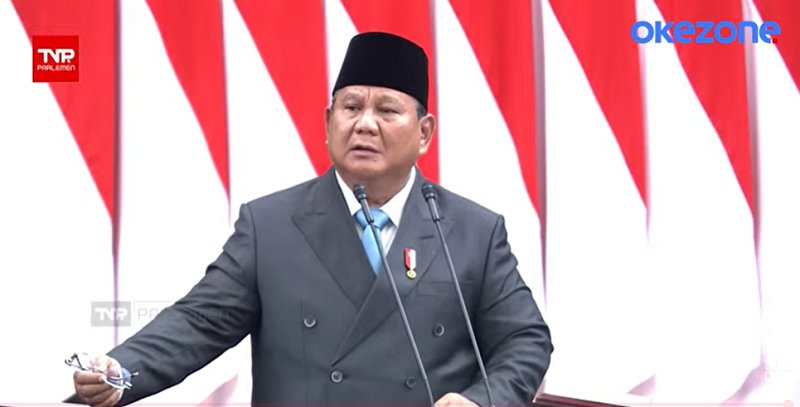
Key Strategy: Prabowo’s Export Body Aimed at Recovering USD150 Billion Annually
Key Strategy – President Prabowo Subianto has emphasized the importance of establishing a unified export body as a core component of Indonesia’s key strategy to revitalize its economic policies. This initiative, announced during a crucial session of the People’s Representative Council (DPR) on May 20, 2026, seeks to streamline the export process for strategic commodities, ensuring maximum state revenue. The plan is formalized through a government regulation that will govern the management of natural resource exports, marking a significant shift from the current decentralized system.
According to Prabowo, the new system could recover up to USD150 billion annually from the long-standing revenue leaks in Indonesia’s export sector. The key strategy aims to consolidate the export process under a single entity, enabling better oversight and control. “With this approach, we can optimize the potential of our natural resources and capture the full economic value,” he explained. The president highlighted that the success of this key strategy depends on the collaboration between the government and private sector, as well as the commitment to enforce it effectively.
Implementation of the Unified Export Mechanism
The key strategy involves a structured approach to managing exports, where all major commodities—such as palm oil, coal, iron ore, and iron alloys—will pass through a single government-controlled channel. This change is designed to prevent price manipulation and ensure fair distribution of profits. By designating state-owned enterprises (SOEs) as the sole exporters, the government can centralize decision-making and reduce inefficiencies in the current export framework.
Under the proposed system, private companies producing strategic commodities will be required to first supply their goods to the selected SOEs before entering international markets. This step ensures that the state retains a significant portion of the revenue generated from exports. Prabowo underscored that the key strategy is not merely about increasing income but also about creating a more sustainable economic model. “We are not just focusing on the short-term gains; this key strategy will set the foundation for long-term national prosperity,” he added, outlining the broader vision behind the policy.
Benefits and Economic Implications
The key strategy is expected to have a transformative impact on Indonesia’s economy, particularly in sectors reliant on natural resources. By controlling the export process, the government can better negotiate global prices, ensuring that domestic industries receive fair compensation. This is especially critical for commodities like palm oil and coal, which have historically contributed to substantial revenue losses due to competitive pricing in international markets.
Analysts suggest that the key strategy could also enhance Indonesia’s position in the global supply chain by promoting consistency and transparency. With a unified export body, the country can better align its trade policies with international standards, improving investor confidence. Prabowo’s proposal aligns with the government’s broader economic goals, which include reducing the trade deficit and boosting foreign exchange reserves. The key strategy is therefore seen as a pivotal step in achieving these objectives.
Challenges and Future Outlook
While the key strategy presents a promising solution, its implementation may face challenges. One major concern is the coordination between private companies and the selected SOEs, which requires a robust regulatory framework. Prabowo acknowledged this, stating that the success of the key strategy will depend on the willingness of stakeholders to adapt to the new system. “We need to ensure that all parties understand the benefits and work together to make this key strategy a reality,” he noted, emphasizing the importance of collaboration.
Looking ahead, the key strategy is expected to be a cornerstone of Indonesia’s economic reform agenda. If successful, it could significantly reduce the annual loss of USD150 billion, strengthening the country’s financial position. Prabowo’s vision for a more efficient export system has already sparked discussions among economists and policymakers, with many expressing optimism about its potential to boost national income. As the implementation progresses, the key strategy will be closely monitored to assess its effectiveness in achieving long-term economic stability.