
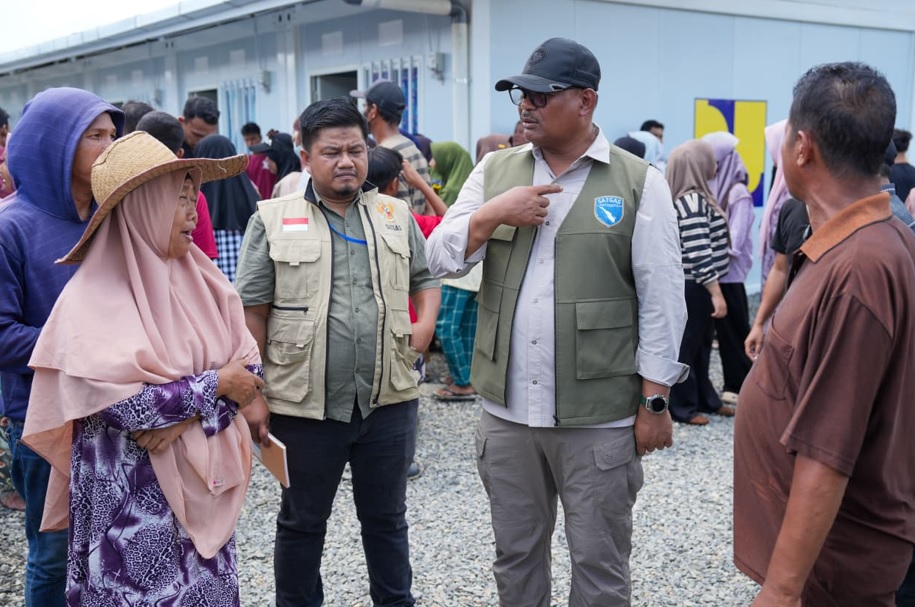
Meeting Results: Aceh Expedites 37 Housing Sites Post-Disaster
Meeting Results – Aceh has made significant strides in addressing the aftermath of recent disasters, with the government accelerating the construction of 37 permanent housing sites. This initiative, which was the focus of a critical meeting, aims to provide immediate relief and long-term stability to affected communities. The decision to expedite these projects reflects a commitment to swift recovery and resilience-building in the region, where natural calamities have left lasting impacts on infrastructure and livelihoods.
Key Outcomes of the Meeting
The meeting, which brought together key stakeholders, resulted in a clear roadmap for the implementation of the housing program. One of the primary decisions was to shift the focus from 40 proposed communal housing sites to 37 locations that are now ready for development. Three sites remain under negotiation, as the government works to finalize the transfer of forest land use rights (HGU) from companies to local authorities. This step ensures that the land can be allocated promptly, meeting the urgent needs of displaced residents.
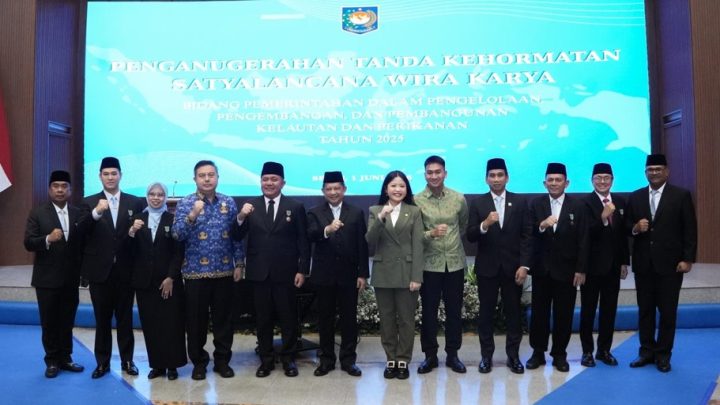
Participants emphasized the importance of administrative efficiency in the face of prolonged recovery efforts. Kepala Pos Komando Wilayah Percepatan Rehabilitasi dan Rekonstruksi (PRR), Dr. Safrizal ZA, highlighted the role of bridging documents in securing land use rights. “These documents are essential for local governments to proceed with construction while waiting for the completion of asset transfer processes,” he noted. The meeting also underscored the need for coordination between national and regional bodies to streamline progress.
Progress in the 37 Locations
With 37 locations now operational, the government has prioritized areas with the highest demand for housing. Each site is being developed based on meticulous planning to ensure it meets the needs of residents while adhering to environmental and structural standards. The selection of these locations was informed by assessments of land availability, accessibility, and the potential for long-term sustainability. Officials have stressed that the goal is not just to provide shelter but to create safe, functional living spaces for communities.
The meeting results have also prompted a review of the administrative procedures involved in land allocation. By leveraging existing frameworks and accelerating approvals, the government hopes to reduce delays that have historically plagued post-disaster recovery. This includes optimizing the use of forest land, which is critical for housing development, and ensuring that all necessary legal and technical documentation is in place before construction begins. The focus on these details underscores the government’s determination to make the process as efficient as possible.
Challenges and Solutions
Despite the progress, challenges persist in securing the remaining three sites. The process of pelepasan hak pengusahaan hutan (HGU) requires negotiation with private companies, which can be time-consuming. However, the meeting results outline a strategy to address these hurdles through collaborative efforts and legal mechanisms. By involving both the PRR and Galapana teams, the government aims to create a unified approach that minimizes bureaucratic bottlenecks and ensures transparency.
Another key discussion point centered on the integration of community feedback into the planning process. Residents have been invited to participate in design and location decisions, ensuring that the housing sites reflect their needs and preferences. This participatory approach not only enhances the quality of the projects but also fosters a sense of ownership among beneficiaries. The meeting results reaffirmed the importance of this strategy, emphasizing that sustainable recovery requires input from all affected parties.
Furthermore, the meeting results highlight the government’s plan to monitor the progress of each site closely. Regular assessments will be conducted to identify any obstacles and adjust strategies as needed. This proactive management is expected to improve accountability and ensure that the housing sites are completed on time. By maintaining a focus on results, the government aims to set a precedent for future disaster response initiatives across Indonesia.